First, understand what employers are really looking for
A lot of matriculants think employers only care about qualifications. That is not always true, especially for entry level roles. When I look at junior CVs, I am usually asking myself a few simple questions:
• Can this person communicate properly?
• Do they seem reliable?
• Can they follow instructions?
• Are they teachable?
• Did they put effort into this application, the CV, cover letter?
That is why some people with no degree still get hired before people who have more education. Employers are not just hiring certificates. They are hiring attitude, potential, and work ethic.
I have seen many candidates lose opportunities because their CV looked rushed, their email address was unprofessional, or they applied for roles that clearly did not match their profile. I have also seen candidates get interviews simply because they presented themselves well, followed up professionally, and made it easy for the employer to see their value.
Apply for the right jobs, not every job
This is one of the biggest mistakes job seekers make after matric.
You cannot apply for everything, also use your connections, network you never know.
If you apply for receptionist, admin manager, HR officer, software developer, credit analyst, and warehouse supervisor all in one day, you are not being strategic. You are just being desperate, and employers can tell.
Start by focusing on roles that are realistic for someone with matric and little to no experience. These often include:
• Retail assistant
• Cashier
• Call centre agent
• Customer service consultant
• Sales assistant
• General administrator
• Data capturer
• Receptionist
• Learnerships
• Internships
• Junior office support roles
• Promotions or brand ambassador work
• Warehouse assistant
• Cleaner or housekeeping roles in formal companies
• Delivery assistant or dispatch support roles
Also keep an eye on graduate style opportunities that accept matric plus short courses, especially in banking, insurance, telecoms, retail, logistics, and hospitality.
A real life example from recruitment is this. A candidate with matric once applied for a junior admin role and a payroll officer role at the same company. The admin role made sense. The payroll officer role required payroll software experience and attention to legislation. Applying for both made her look unfocused. A more strategic approach would have been to apply for the admin role, then build from there.
Fix your CV before you send it anywhere
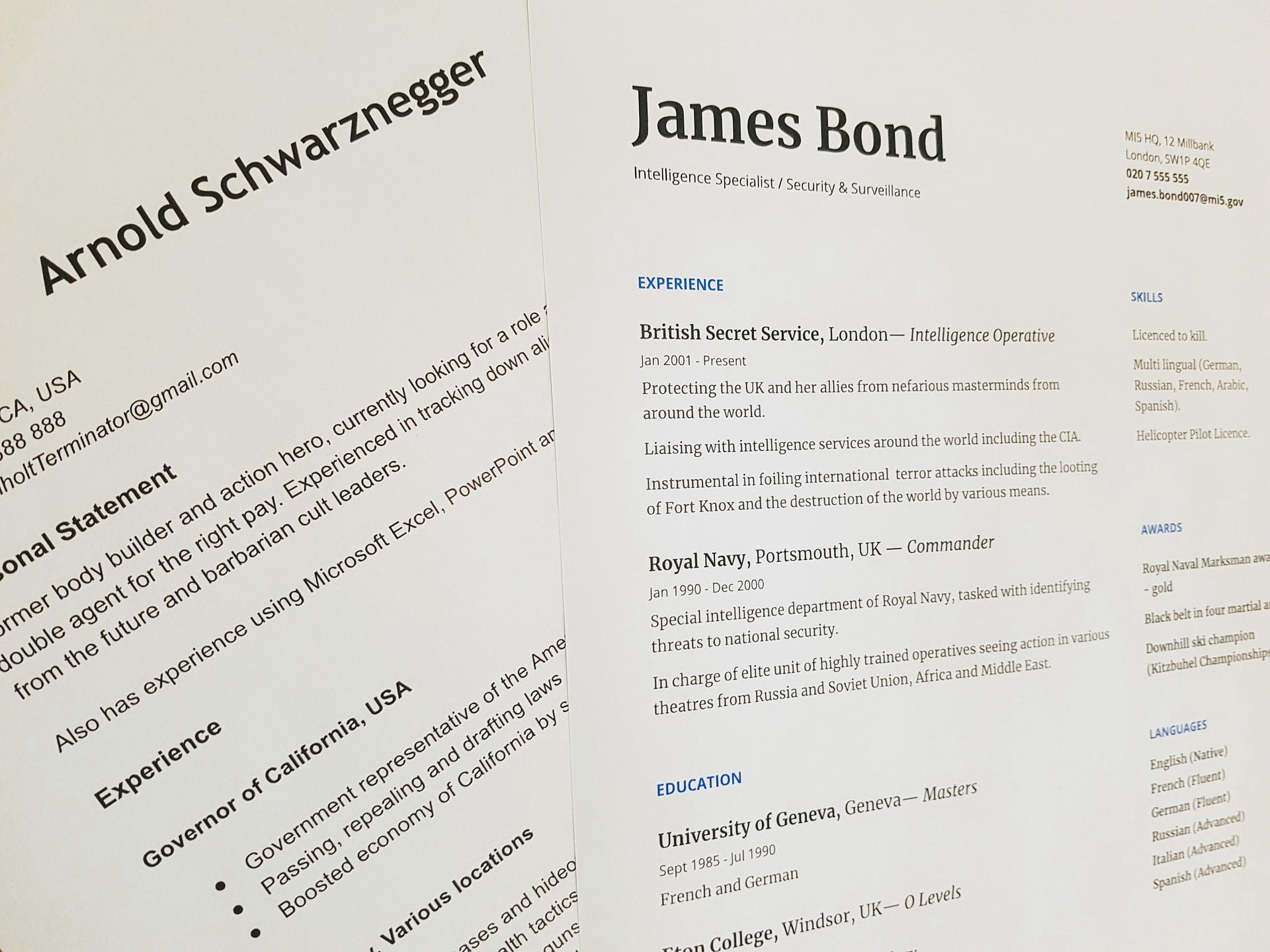
Your CV is your first impression. If it is messy, full of grammar mistakes, too long, or has no direction, it can cost you interviews before anyone even speaks to you.
After matric, your CV does not need to be full of formal jobs. That is where many young people panic. You can still build a strong entry level CV by including:
1. Your matric information
2. Subjects that are relevant to the job
3. Any volunteer work
4. Church or community involvement
5. School leadership roles
6. Computer skills
7. Short courses
8. Tutoring, helping in a family business, or informal work
9. Achievements that show discipline, responsibility, or teamwork
For example, if you helped your aunt with stock at her shop every weekend, that tells me something. It shows responsibility, basic customer service, and trust. If you were a class rep, sports captain, or helped organise school events, that also counts. The problem is that many young job seekers leave these things off because they think it is not “real” experience. It is experience. You just need to explain it properly.
Also, please use a professional email address. Something simple with your name and surname works well. I scrutinise CVs all the time, I always pick up mistakes etc. so that small detail matters more than people think.
Do not ignore short courses and digital skills
If you have matric and no work experience, one of the fastest ways to improve your profile is to add practical skills. You do not need to wait three years for a diploma before becoming more employable.
Even a short course in admin, Excel, customer service, computer literacy, sales, or digital marketing can strengthen your CV. Employers like candidates who show initiative. It tells us that you are not just sitting at home waiting. You are trying to improve yourself.
In today’s market, basic computer skills are almost expected. If you can use email, Word, Excel, Google Docs, and online application systems confidently, you already have an advantage over many other entry level applicants.
Job searching is not just about online applications
Online applications matter, yes. But many jobs are filled through referrals, walk ins, community networks, and timing.
Do not only sit on job boards. Tell people you are looking. Ask family, church members, neighbours, former teachers, and friends if they know of openings. Visit nearby shopping centres, dealerships, restaurants, schools, and offices with a neat printed CV when appropriate. Not every company accepts walk ins, but some still do, especially for junior roles.
I remember candidates who got work because they asked the right person at the right time. One young woman found a reception role because she volunteered at community events and stayed visible. Another got an internship because he asked his former teacher to review his CV, and that teacher connected him to someone hiring.
Your network does not need to be fancy. It just needs to be active.
Be careful of scams and false hope
Sadly, many young South Africans get scammed because they are desperate for work. If a company asks you to pay money upfront for a job, training, uniform, or placement, that is a red flag in most cases. Be cautious of vague WhatsApp job ads, fake recruiter profiles, and jobs with no proper company details.
A proper employer should be clear about the company, the role, the requirements, and the application process. Desperation can make people vulnerable, so always pause and verify before sharing your ID, bank details, or paying anything.
Your first job may not be your dream job
This part is important.
Many people delay their progress because they are waiting for the perfect role. I understand wanting a good opportunity, but your first job is often about exposure, confidence, and experience. It may not be glamorous. It may be retail. It may be admin support. It may be contract work. That does not mean you have failed.
Your first job can teach you punctuality, dealing with pressure, customer service, teamwork, workplace communication, and problem solving. Those are the building blocks of a career.
As a recruiter, I can tell you that one year of solid work experience changes everything. Once you have proven that you can work, show up, and take instruction, more doors open.
What to do if nobody is calling you
This is where many people lose hope, but it is also where you need to become honest with yourself.
If you have applied for many jobs and heard nothing back, ask yourself:
Is my CV strong enough?
Am I applying for jobs I actually qualify for?
Am I using the right keywords on my CV?
Am I checking my phone and email properly?
Am I applying consistently?
Am I building any skills while I search?
Am I following up professionally where possible?
Sometimes the problem is not effort. It is direction.
I have seen people apply for months with the wrong CV format, poor spelling, and no focus. Then they fix those issues and finally start getting interviews. Small changes can make a big difference.
Real advice for matric job seekers in South Africa
• Here is the truth I would give someone close to me.
• Do not sit at home for six months waiting for motivation to arrive. Start now with what you have.
• Create a clean CV.
• Open a professional email address.
• Apply for entry level jobs that match your profile.
• Use job boards, company career pages, and local networks.
• Take one short course while you search.
• Practise answering basic interview questions.
• Stay away from scams.
• Be willing to start small.
And please do not let rejection make you think you are worthless. South Africa’s job market is tough, and even strong candidates get overlooked. Rejection is painful, but it is not always personal. Sometimes it is timing. Sometimes it is competition. Sometimes it is the economy. Keep improving your chances instead of giving up on yourself.
Your next step
If you have just finished matric and you are serious about getting a job, do these five things this week:
1. Update or create a professional CV.
2. Pick three job categories that fit your profile.
3. Apply for at least five relevant roles every day.
4. Register on trusted job platforms and company career sites.
5. Complete one short course that adds value to your CV.
Momentum matters. Even small progress counts.
FAQs
Can I get a job with matric only in South Africa?
Yes, you can. Many entry level jobs, learnerships, internships, retail roles, call centre jobs, admin roles, and customer service positions accept matric only. The key is applying for realistic roles and presenting yourself well.
What should I put on my CV if I have no experience?
Include your matric details, relevant subjects, computer skills, volunteer work, leadership roles, informal work, short courses, and any responsibilities that show reliability and potential.
How many jobs should I apply for in a day?
Focus on quality over quantity. It is better to apply for five to ten jobs you genuinely qualify for than to send twenty random applications that do not match your profile.
Should I study further if I cannot find a job?
That depends on your situation. If you can study further, it may help. But even while planning your studies, keep building practical skills and applying for opportunities. Do not assume more education automatically solves everything.
Are walk in applications still worth it?
Sometimes, yes. They can still work for certain industries and junior roles. Just make sure you are presentable, polite, and targeting businesses where this approach makes sense.
Getting a job after matric in South Africa may take time, but it is possible. Start where you are, use what you have, and keep improving your profile as you apply. Your first opportunity may not be your dream job, but it can open the door to experience, confidence, and bigger opportunities later. The important thing is to stay consistent, stay smart, and keep going.
Other Article: Navigating the Global Job Market: A Guide for Job Seekers in South Africa